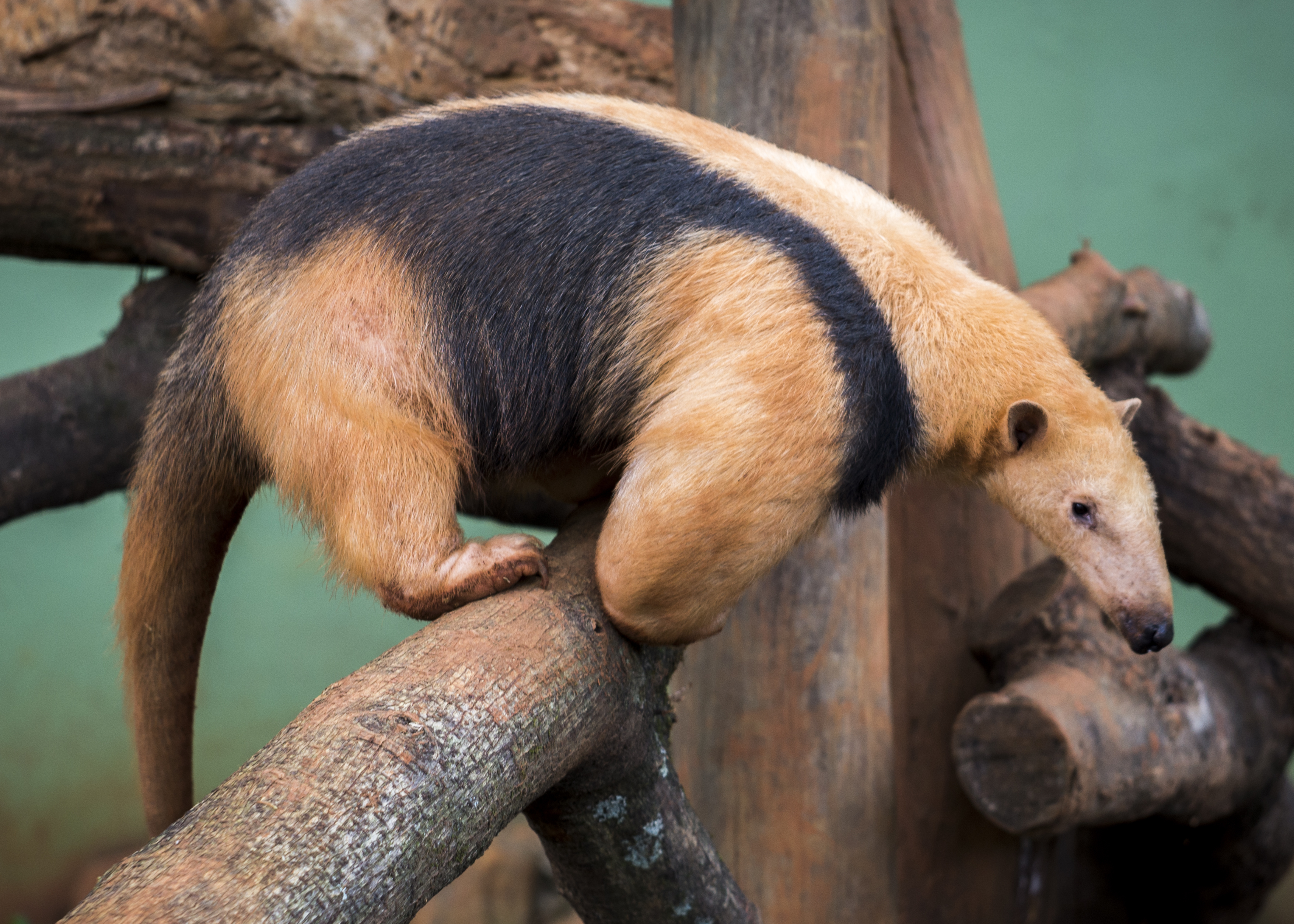
Lesser Anteaters

Lesser anteater portrait

The lesser anteater (Tamandua tetradactyla) is a highly specialized insectivorous mammal that feeds mainly on ants and termites. In the wild, it relies strongly on smell to detect prey and usually searches for food alone. Because this species is difficult to maintain on a fully natural diet in captivity, learning more about its feeding behavior can help improve management, nutrition, and welfare in zoos and rescue centers.

In Argentina, the species is categorized as Near Threatened. This makes better ex situ management especially important.
Natural Diet and Feeding Challenges

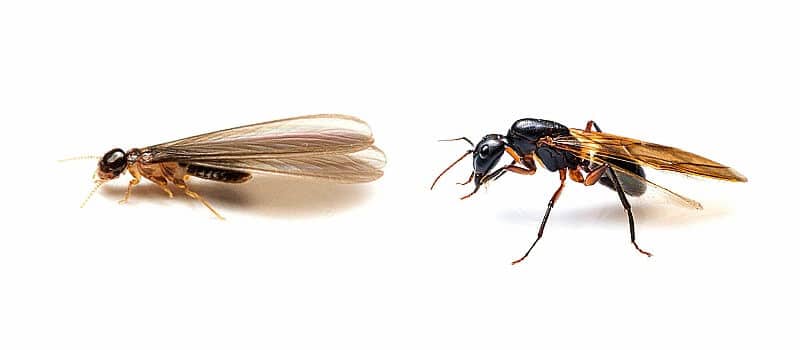
Ants and termites used as prey

Lesser anteaters naturally consume a wide variety of social insects, especially ants and termites. However, in zoos they are usually fed formulated diets that do not fully reproduce the diversity, structure, and sensory properties of their natural prey.

This matters because food is not only a source of energy. For a smell-guided predator like a lesser anteater, prey odor, texture, digestibility, and handling may all influence feeding choices. Understanding these preferences can help design diets and enrichments that are both nutritionally useful and behaviorally meaningful.

Zoo feeding setup for lesser anteaters

The study focused on two natural prey types: the ant Acromyrmex lundi and the termite Cortaritermes fulviceps. The goal was to understand which prey the animals interacted with more, which prey they consumed more, and how the nutritional characteristics of each insect might explain those responses.

The Experiment

Lesser anteater enclosure

The study was conducted with seven adult zoo-housed lesser anteaters at Córdoba Zoo, Argentina. Each individual was evaluated separately. During each trial, the animal was exposed to three feeders: one with live ants, one with live termites, and one empty control feeder.

Each lesser anteater completed three 10-minute sessions, and behavior was recorded by camera. Researchers measured how often the animals visited each feeder, how long they stayed there, and how much of each insect they consumed.

Experimental room diagram

In addition to the behavioral trials, insect samples were analyzed to compare their nutritional composition. The researchers evaluated humidity, lipids, proteins, ash, carbohydrates, and in vitro digestibility. This made it possible to compare not just what the anteaters chose, but also the nutritional and digestive properties of the prey they were offered.

Results

Lesser anteater interacting with termite feeder

The lesser anteaters spent more time interacting with termite feeders than with ant feeders. They also consumed more termites than ants across the sessions. This suggests that termites were more attractive or more profitable under the conditions of the study.

Interestingly, ants showed higher protein and lipid values, while termites showed higher carbohydrate values and higher in vitro digestibility. So even though ants appeared richer in some nutritional components, termites may have been easier to process and therefore more attractive to the animals.

Nutritional comparison between ants and termites

Ant samples had higher protein and lipid content, and also higher calculated energy values. Termite samples, however, had greater protein and carbohydrate digestibility. This suggests that prey choice may not depend only on gross energy content, but also on how easily the food can be digested and used by the animal.

Consumption results of ants and termites

Overall, the study showed a clear pattern: lesser anteaters reacted positively to live prey and showed a stronger response to termites. These results highlight the importance of combining behavioral observations with nutritional analysis when evaluating food preferences in specialized species.

Implications for Welfare and Management

Food enrichment setup for lesser anteaters

These findings are useful for improving the care of lesser anteaters in captivity. Offering prey items that stimulate natural foraging behavior may support both physical health and behavioral welfare. For a species that often faces digestive challenges in captivity, prey digestibility could be especially important.

Lesser anteater welfare and feeding management

This study provides a first step toward understanding food preferences in zoo-housed lesser anteaters. It suggests that live termites may be particularly valuable as enrichment and as a complementary food item. More broadly, it shows that better nutritional decisions can come from looking at animal behavior, natural diet, and digestion together.

Studying feeding behavior in specialized mammals is not only about diet. It is also about creating environments where animals can express natural behaviors and experience better welfare under human care.