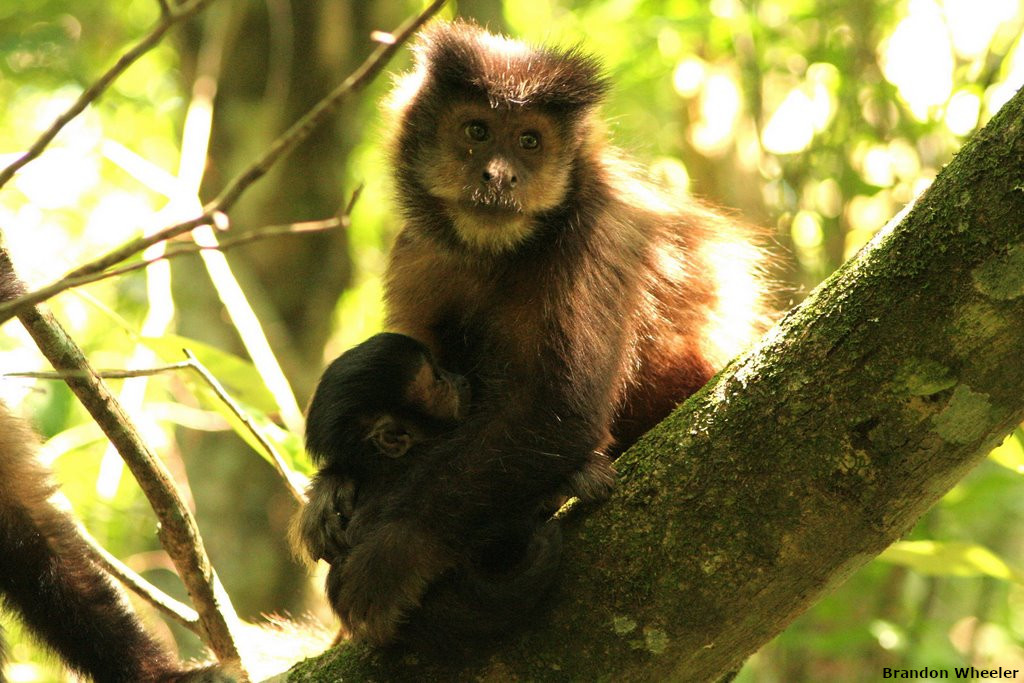
Black capuchin monkeys (Sapajus nigritus) live in the Atlantic Forest, from native fragments to pine plantations. Globally they are categorized as Near Threatened and Vulnerable in Argentina. Their adaptability makes them a key species for studying how primates cope with human-altered landscapes.
Black Capuchins
Bark-Stripping Behavior
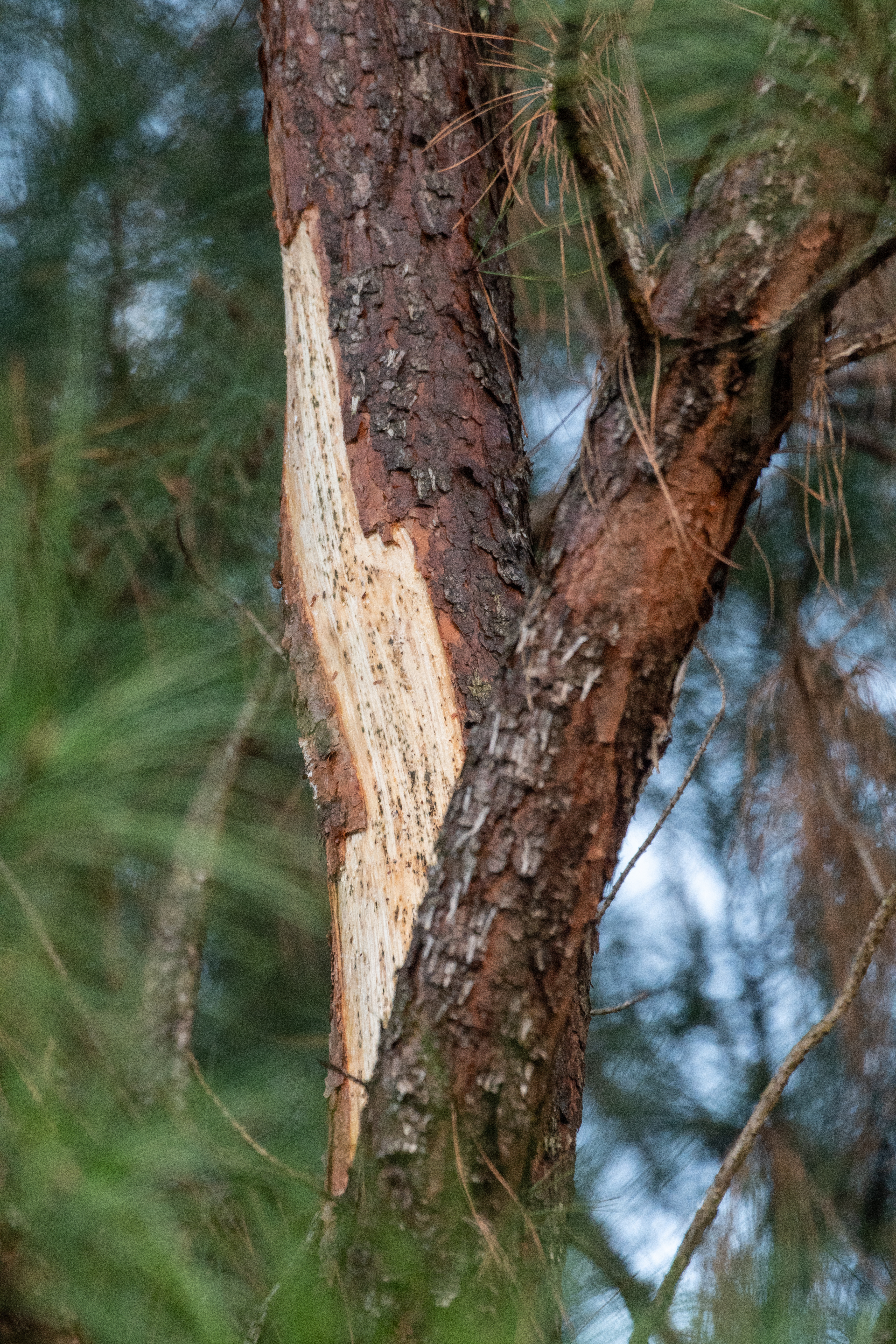
Primates are curious and adaptable. In human-altered habitats like pine plantations, some species have learned to strip bark from exotic trees to eat the inner layers, like phloem and cambium. While this helps them survive, it often leads to conflict with forestry producers due to tree damage.
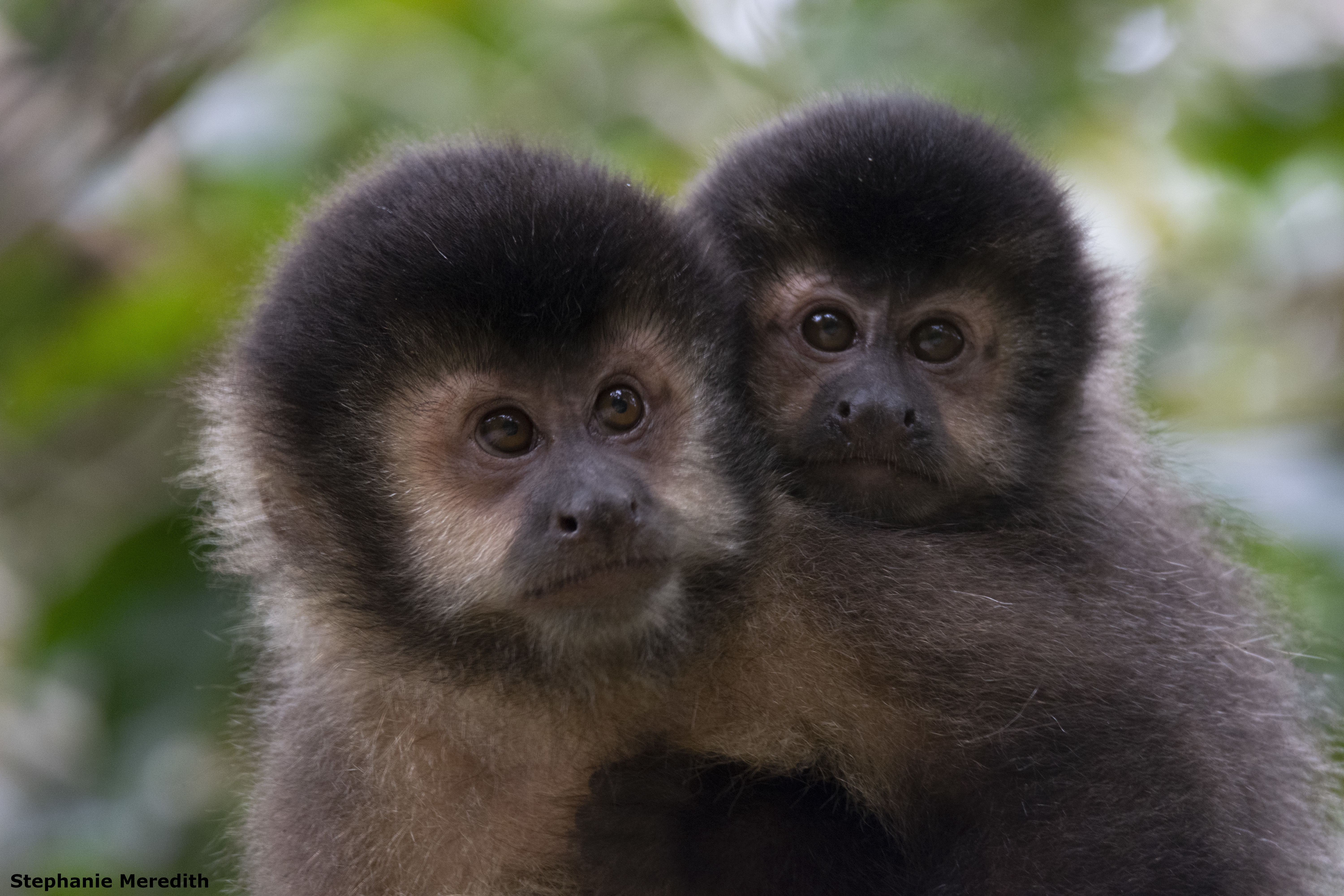
Bark-stripping is commonly considered a fallback food (eaten when there are nothing else to eat). But evidence and our research with capuchins in northeastern Argentina suggests otherwise. They may be choosing pine phloem when it’s easier to peel and packed with sugars making it a smart, seasonal food choice, not just a survival tactic.
Trophic Ecology
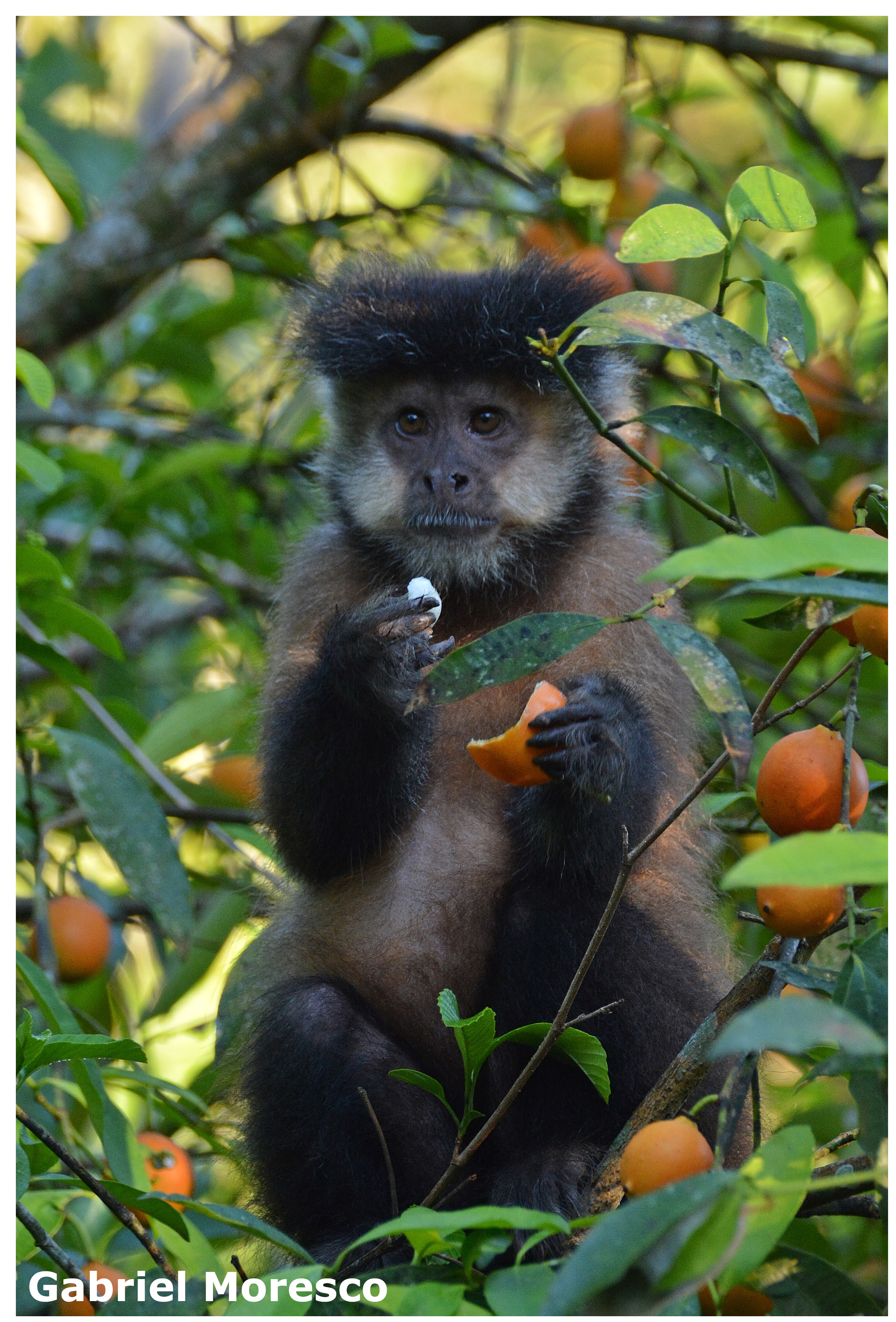
The Black capuchin, Like other robust capuchins, are adaptable, opportunistic, and clever. They thrive in many environments thanks to their flexible diet. 🍃 In continuous native forests, they mostly eat fruits and insects. 🌲 But in pine plantations, bark-stripping becomes more intense during certain times of the year. Phloem... the sweet, inner tissue of pine bark... might become a key seasonal food. But why do they target it? Our study explores whether bark-stripping behavior is linked to how easy it is to peel the bark, the thickness of the phloem, and its nutritional value. If phloem is more profitable in certain seasons, this opens the door for conservation tools, like diversionary feeding , to help reduce conflict with forestry producers and support primate-friendly landscapes.
Movement Study
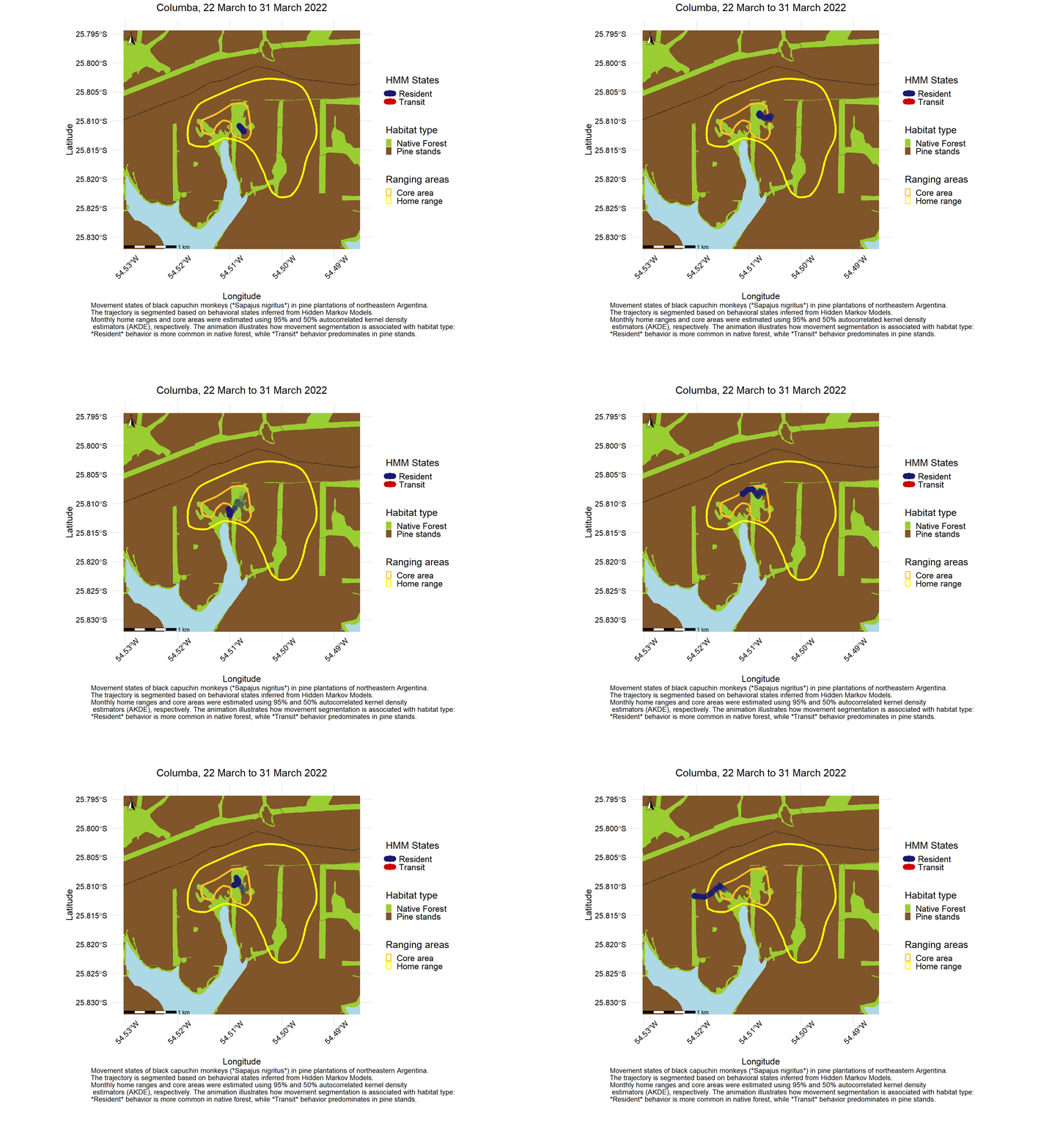
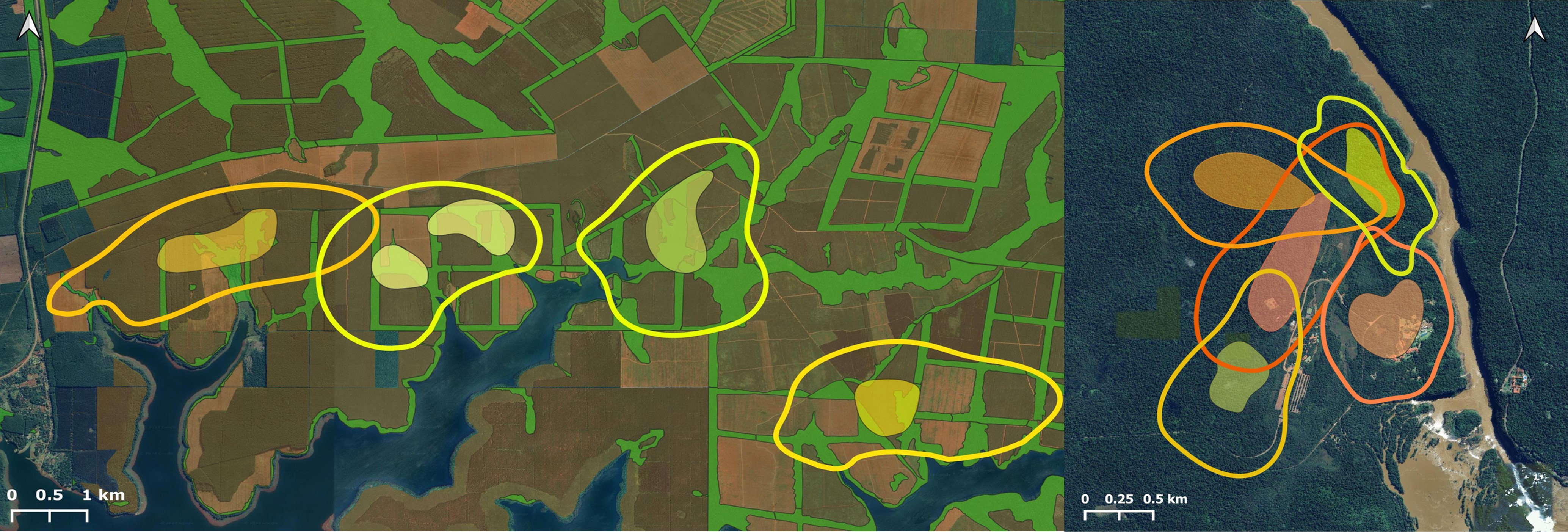
How do capuchins move through human-modified landscapes? 🐾 To better understand how Black capuchins adapt to production landscapes, we tracked their movement in two very different settings: 🌲 pine plantations and 🌳 native continuous forests. The result? In plantations, their home ranges, the areas they roam daily, were three times larger than in protected forests. This means they need to move more to find food and shelter, likely because resources are fewer and farther apart in plantations. Larger home ranges can signal lower habitat quality, and may reduce population viability over time.
Conflict & Solutions
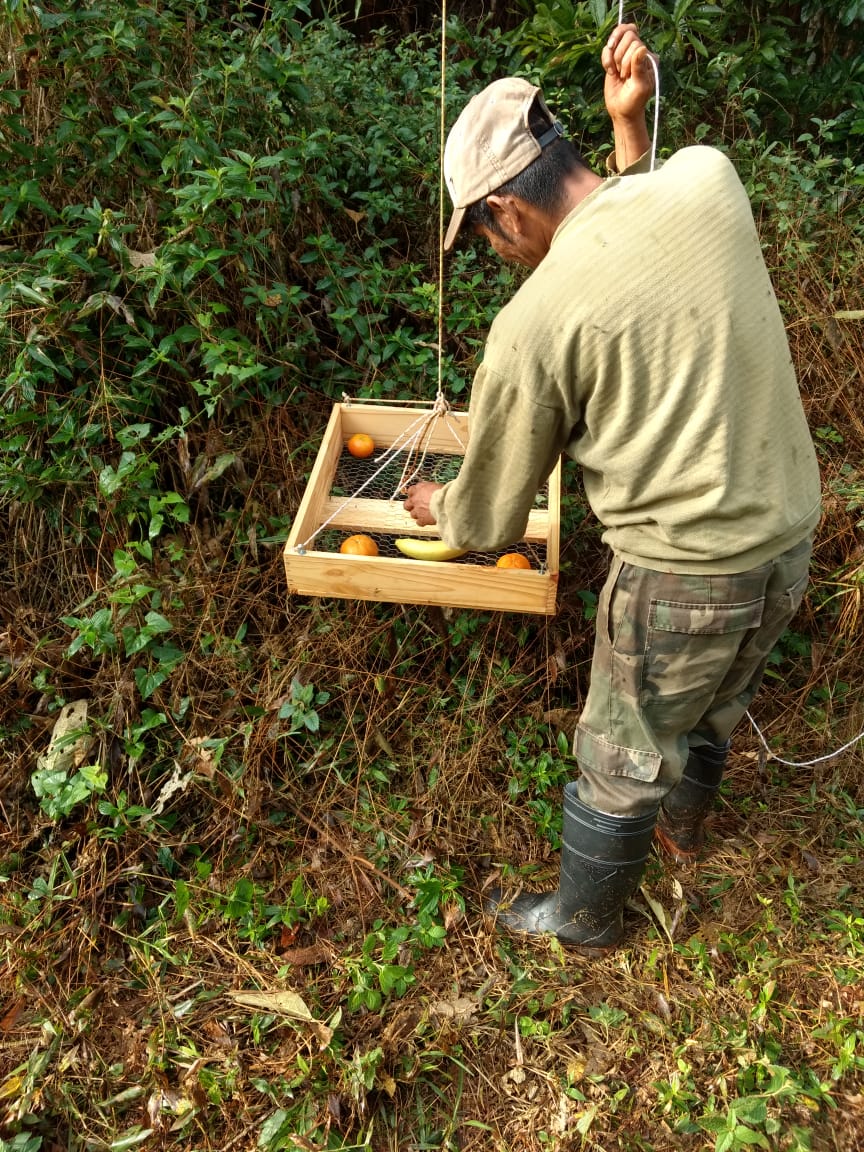
Can we reduce bark-stripping without harming monkeys? To help capuchins and protect pine trees, we tested diversionary feeding. We placed fruit-baited platforms in native forest fragments during bark-stripping season. The idea? Encourage capuchins to stay near these food-rich spots and away from sensitive pine stands. They began using areas near the platforms more often, showing that smart, low-impact strategies can shape their movement.
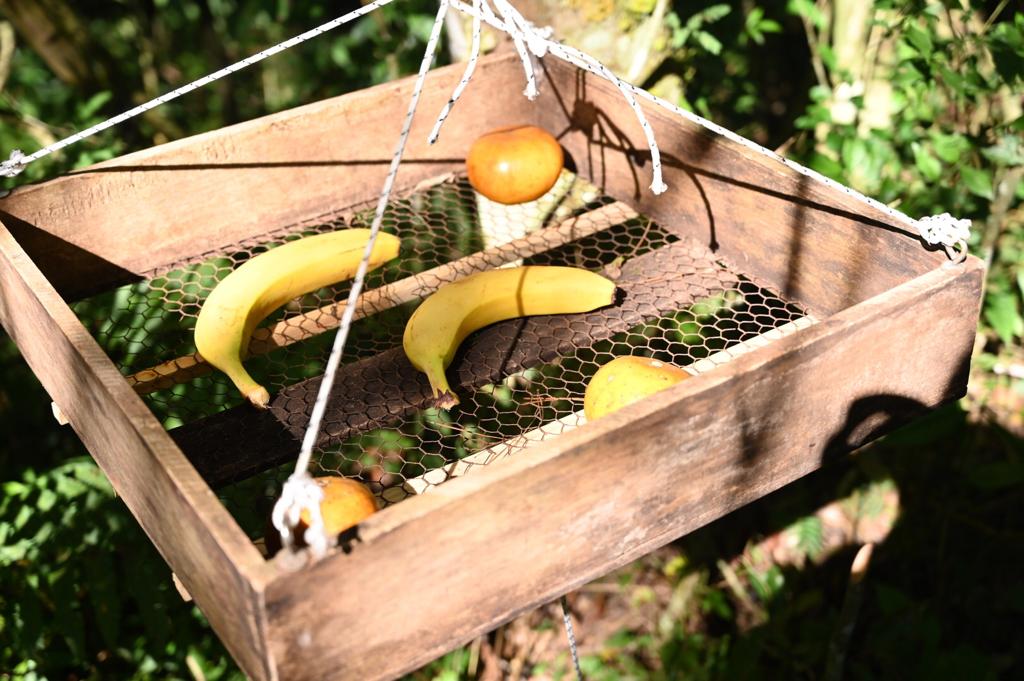
Smarter forest practices for smarter primates Capuchins are smart, they remember where food is and make energetically efficient decisions based on effort and reward. 🍌 Our diversionary feeding results show promise: a simple management action can shape movement and reduce bark-stripping. This reinforces a key idea: Understanding how primates behave in production landscapes is essential for designing conservation strategies that truly work.